


Before Children Can Change the World, They First Have to Notice It
We often talk about teaching children to solve problems. But first, we need to teach them how to recognise opportunities.
What could work better? What could we create? Whose experience could we improve?
This is the starting point for innovation: noticing a possibility that could become a future business idea, or recognising someone else’s needs and choosing to act. Both require curiosity, initiative and the ability to look beyond what already exists.
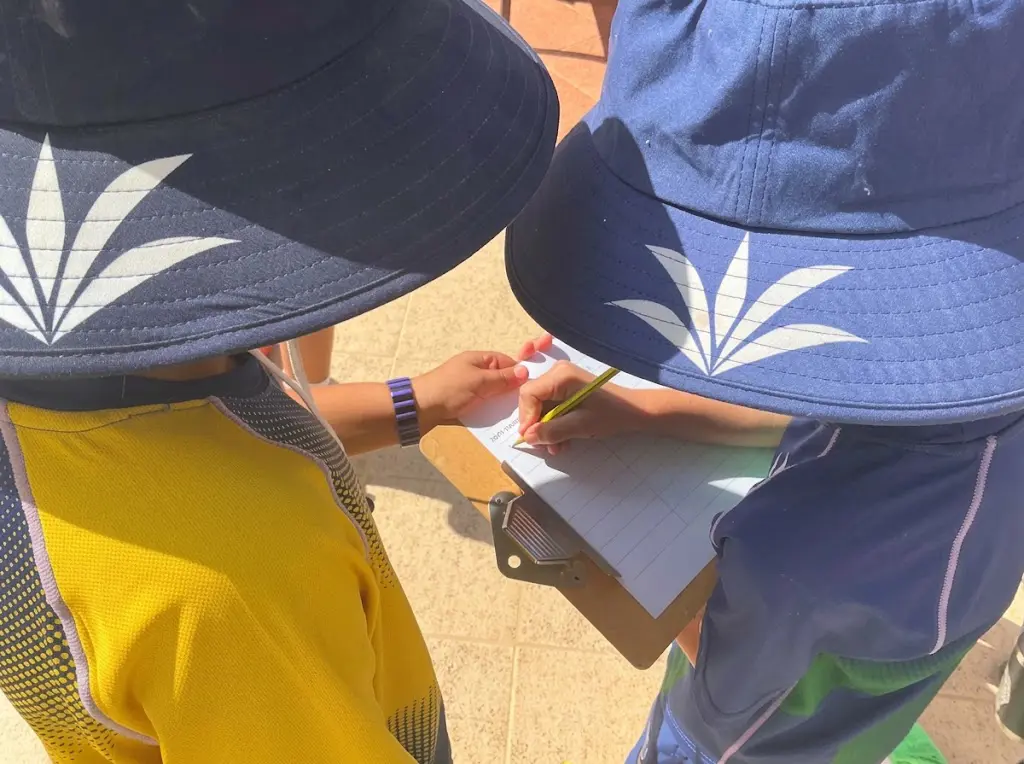
To put this into practice, our students recently took to the local area, exploring our surrounding community with a fresh pair of eyes to pinpoint real opportunities for improvement. They observed local spaces, listened, and identified areas where thoughtful change could make a tangible difference.
An idea might become a product or service people value. It might also mean exploring a better canteen space for the community staff who support us every day, more shade over particular play areas, or improvements to the pitch surface to encourage more people to enjoy sport.
These possibilities ask children to consider different perspectives: Who would benefit? What do they need? How could we find out? Would our idea actually help?
The next step is learning how to turn an opportunity into action.
How do we find someone with the right expertise? How do we approach and engage with them safely? What resources will we need? How do we prioritise ideas and decide what is achievable?
These skills also need to be explicitly taught. Children need opportunities to practise seeking advice, communicating their ideas, planning, weighing up choices and reviewing the impact of their actions.
Our teachers at BISR Tabuk are designing a curriculum that builds towards this ownership. Children learn to notice opportunities, choose what matters to them and develop the skills to act. They draw on classroom learning and apply it within their community.
True agency takes careful teaching. If we identify every opportunity and direct every step, we leave little room for children to exercise their own judgement. I am proud of our staff for opening up that space - with high expectations, an openness to innovation and no ceiling on what young minds might imagine.